All Islands · · 8 min read
How to Plan a Hawaii Trip for Your Family — In the Right Order
Hawaii planning is not hard. It is loud. Here is the exact order I plan trips in for my own family and my clients — including the reservations most families discover too late.
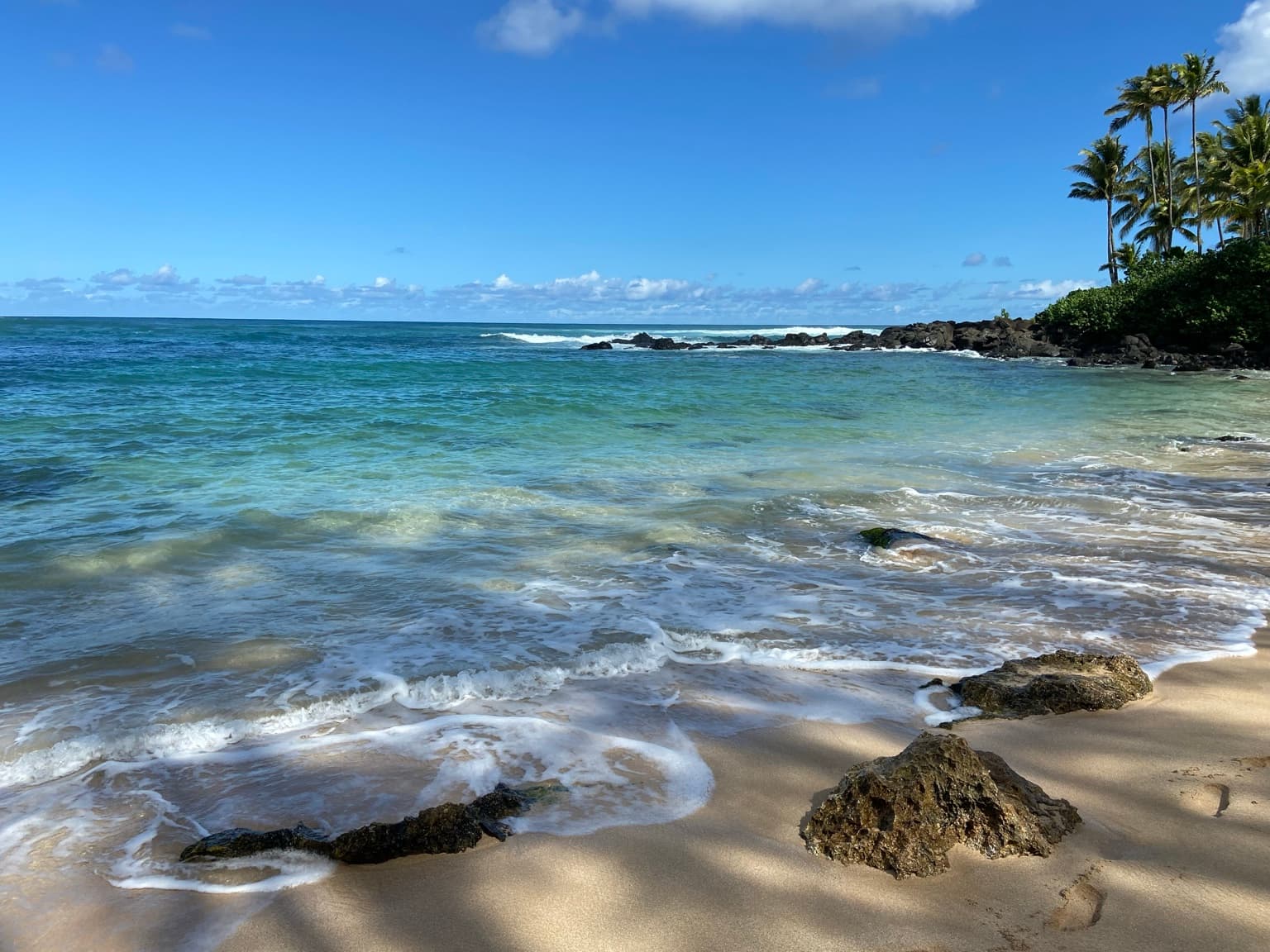
Somewhere around the fourteenth open tab, Hawaii stopped being a vacation and became a project you manage after bedtime.
Here's the quiet truth: the planning itself isn't difficult. The noise is. Every list contradicts the last one, and none of them tell you what order to decide things in — which is the only thing that actually matters.
This is that order. The same sequence I walk my own clients through, decision by decision.
First decision: one island, singular
Resist the two-island itinerary. I know it looks efficient on paper.
In practice, a mid-trip island hop buys you a repacking session, a second airport morning, a second rental-car counter, a second check-in line — and deletes the best part of a vacation's middle, which is momentum. Ten-plus nights? Fine, split it. A standard week? One island, fully lived in, wins every time.
Choosing is its own art: Oahu rewards families who like a full calendar; Maui rewards families who want the resort to be the plan. My complete matchmaking guide is here.
Second decision: the calendar
Your dates move the budget more than any other choice you'll make — more than the resort, more than the airline.
The gentle windows: late April into early June, and the long lovely stretch from September to mid-December. Same sunshine, thinner crowds, kinder rates. The expensive windows are exactly the ones you'd guess — winter holidays, spring break, the heart of summer — because that's when every school calendar in America agrees.
Season shapes the trip's personality too. A February week means whales off Maui and unswimmable spectacle on Oahu's North Shore; a July week means bathtub-calm ocean on every coast. I unpacked the whole calendar in when to visit Hawaii with kids.
Third decision: what gets booked when
Conventional wisdom says chase the flight deal first. Conventional wisdom is how families land at 11pm, at their fallback hotel, with children who dissolved somewhere over the Pacific.
Reverse it:
1. The resort. It's the piece of the trip that can't be substituted, and the piece that sells out first — family suites and connecting rooms evaporate the moment school-break dates open. For peak weeks, six to nine months of lead time is simply the market rate.
2. The flights, two to four months out for typical mainland routes. Optimize for a civilized arrival hour, not the lowest fare. Landing in time for dinner is worth real money.
3. The car, booked the same day as flights on a free-cancellation rate. On Kauai and the Big Island, inventory genuinely zeroes out during busy weeks.
4. Tables and tickets come last in sequence — but not last in seriousness. Next section.
The timed-entry gauntlet
The famous stuff runs on reservation systems now, and the clocks are unforgiving:
- Haleakala sunrise: recreation.gov, released 60 days out, gone in minutes for summer dates (a small 48-hour batch exists for the lucky). The insider move — summit sunset requires nothing, draws a fraction of the crowd, and loses almost none of the drama.
- USS Arizona Memorial: a 56-day window, plus a daily 3pm drop of next-day tickets.
- Hanauma Bay: exactly 48 hours ahead, 7am sharp, closed Mondays and Tuesdays. Oahu's finest snorkeling, guarded by its most infuriating form.
- Diamond Head: 30 days ahead for non-residents.
Maui's Waianapanapa and Iao Valley and Kauai's Haena State Park have joined the reservation club too. Working assumption: anything Instagram-famous needs a ticket. Recheck the rules ~70 days before you fly — these systems get rewritten constantly.
The car question, answered by island
On Maui, Kauai, and the Big Island the answer is yes, always, all week — those islands have no carless mode.
Oahu alone offers an out. A Waikiki-based trip built on walkable days plus a tour or two doesn't need a permanent car; grab a one-day rental for the North Shore and bank the $40–60 a night that Waikiki charges to park it.
Then: cut your itinerary in half
There's a failure mode I can predict from the spreadsheet alone. Every day anchored by an excursion, every dinner pre-committed — and by Wednesday, mutiny at breakfast, because nobody flew 4,000 miles to keep a schedule.
Build the week around one or two properly-booked headline experiences, positioned early so a weather cancellation has room to rebook. Leave the rest of the days open on purpose. An unscheduled Thursday where the kids refuse to leave the pool isn't a planning failure — a decade from now it's the day they'll describe first.
Under-planned on paper. Perfect in practice.
The part a guide can't do
This article gets you 80% of the way, honestly and for free.
The last 20% is judgment: which specific Wailea property suits a four-year-old who naps, whether this hotel's ocean view earns its premium, which gorgeous boutique operation actually runs as smoothly as its photography. That knowledge only comes from standing in the buildings — and it's the entire reason my job exists.
Bring me the family and the feeling you're after. I'll bring back one answer instead of five more tabs. Close the laptop.
Questions families actually ask
How far in advance should I book a Hawaii family trip?
Book the resort six to nine months out for peak dates — connecting rooms and suites go first. Flights follow at two to four months for most mainland routes. Timed attraction reservations like Haleakala sunrise open 60 days ahead and can sell out in minutes.
Should I book flights or the hotel first for Hawaii?
The resort first. It is the least replaceable piece of the trip and the first to sell out, especially family room categories. Flights are more flexible and follow two to four months out. Letting a cheap flight drive the plan puts the least important piece in charge.
Do I need a rental car in Hawaii?
On Maui, Kauai, and the Big Island — yes, for the whole trip. Oahu is the exception: if you are staying in Waikiki, you can skip the car and rent one only for a North Shore day, since hotel parking runs $40–60 a night.